
Having spent time living in the Caribbean, I learned quickly that the postcard version of the Caribbean often skips over the logistical realities. Safety down here isn’t just about avoiding sketchy neighborhoods; it is about infrastructure, medical capabilities, and how effectively a local government manages the chaos of mass tourism.
The U.S. State Department ranks every destination on a scale from Level 1 (Exercise Normal Precautions) to Level 4 (Do Not Travel). To put things in perspective, places like Haiti and Russia are Level 4. Achieving a Level 1 status means an island has its act together—robust law enforcement, stable infrastructure, and tight borders.
For Spring 2026, only a select few destinations made that top-tier cut. But that profound security usually comes with a catch: strict new digital entry systems, high sustainability taxes, or quirky local laws.
Here are 5 of the safest Caribbean islands to visit this spring, and exactly how to navigate them.
1. Aruba
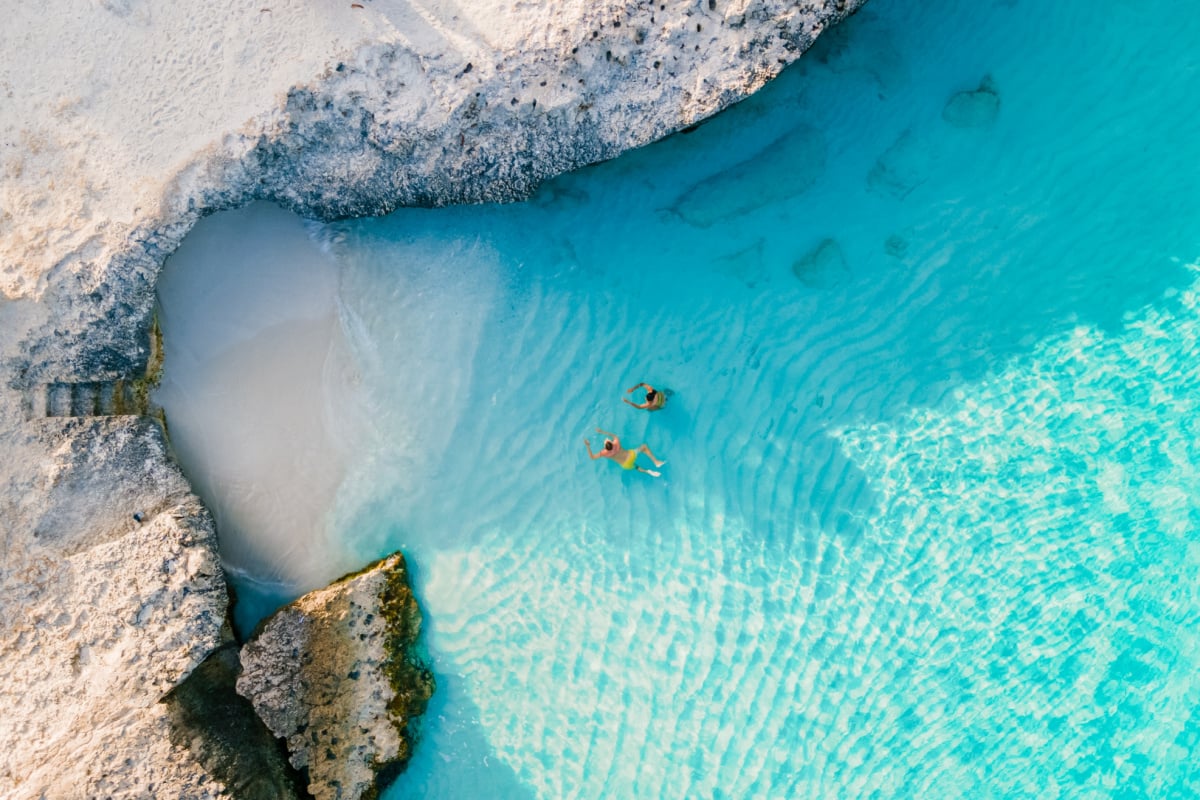
The Dutch Fortress
Aruba is a machine of institutional stability. Operating under a Dutch legal framework, the island has a highly professionalized police force and zero tolerance for systemic crime. You are geographically positioned out of the traditional hurricane belt, meaning the spring weather is an incredibly consistent 88°F to 89°F with almost zero rain.
The first time I visited I didn’t know what to expect and was totally blown away. I stayed at the Marriott and LOVED it. My favorite activities were getting in the water (big diver), and taking UTVs to the northern part of the island. The landscape completely changes and you almost feel like you are driving a Mars rover around. Very fun and great for getting some action packed video.
The Digital Toll:
You can no longer just show up with a passport. Aruba requires a digital Embarkation/Disembarkation (ED) Card filled out up to 7 days before you fly. Tacked onto this is a mandatory $20 Sustainability Fee for all air arrivals. They use this to fund the infrastructure that keeps the island pristine and safe. Use our entry requirement guide to make sure you are all set.
The Local Quirks:
Do not turn right on a red light (it’s strictly illegal), and watch out for European-style traffic signs. While violent crime is basically nonexistent, opportunistic “smash-and-grabs” in rental cars happen. Keep nothing valuable in your car, especially if you venture down to the San Nicolas district after dark.
Spring 2026 Intel:
If you are there on April 27, 2026, you will hit King’s Day (the Dutch monarch’s birthday). The entire island turns bright orange, throwing massive street fairs and kite-flying contests. It is a highly secure, incredibly fun cultural event.
2. Barbados

The Diplomatic Hub
Barbados is the geopolitical anchor of the Eastern Caribbean. It is so stable that the United States put its regional embassy here. Because of the massive diplomatic presence, intelligence sharing and local police capabilities are top-notch, suppressing the baseline threat environment immensely.
I’ve been to Barbados twice now, the first time I stayed at the Hilton Barbados Resort. Loved having a little private beach! You can actually see the resort from the plane when you are flying in if you know where to look.
The second time was actually during a 6 hour stopover when I was flying from St. Lucia to Jamaica with InterCaribbean. We left the airport and did a tour of Harrison’s Cave. It was a great way to spend an afternoon in between islands! Just be sure to get to the airport with time to spare, as we almost missed our connection.
The Wardrobe Warning:
This trips up Americans constantly: Camouflage clothing is strictly illegal. Not just for adults—if your toddler is wearing a camo hat, it will be confiscated, and you can be detained or fined. This is an old law designed to prevent the impersonation of military personnel, and they enforce it rigorously.
Transit Advice:
Fill out your digital Customs Form exactly 72 hours before arrival. Once on the ground, stick to government-run buses or licensed taxis. Avoid the private minibuses (known as “Zed buses” because of the ‘Z’ on their license plates). They are notorious for erratic, high-speed driving and aggressive maneuvering.
3. Bonaire
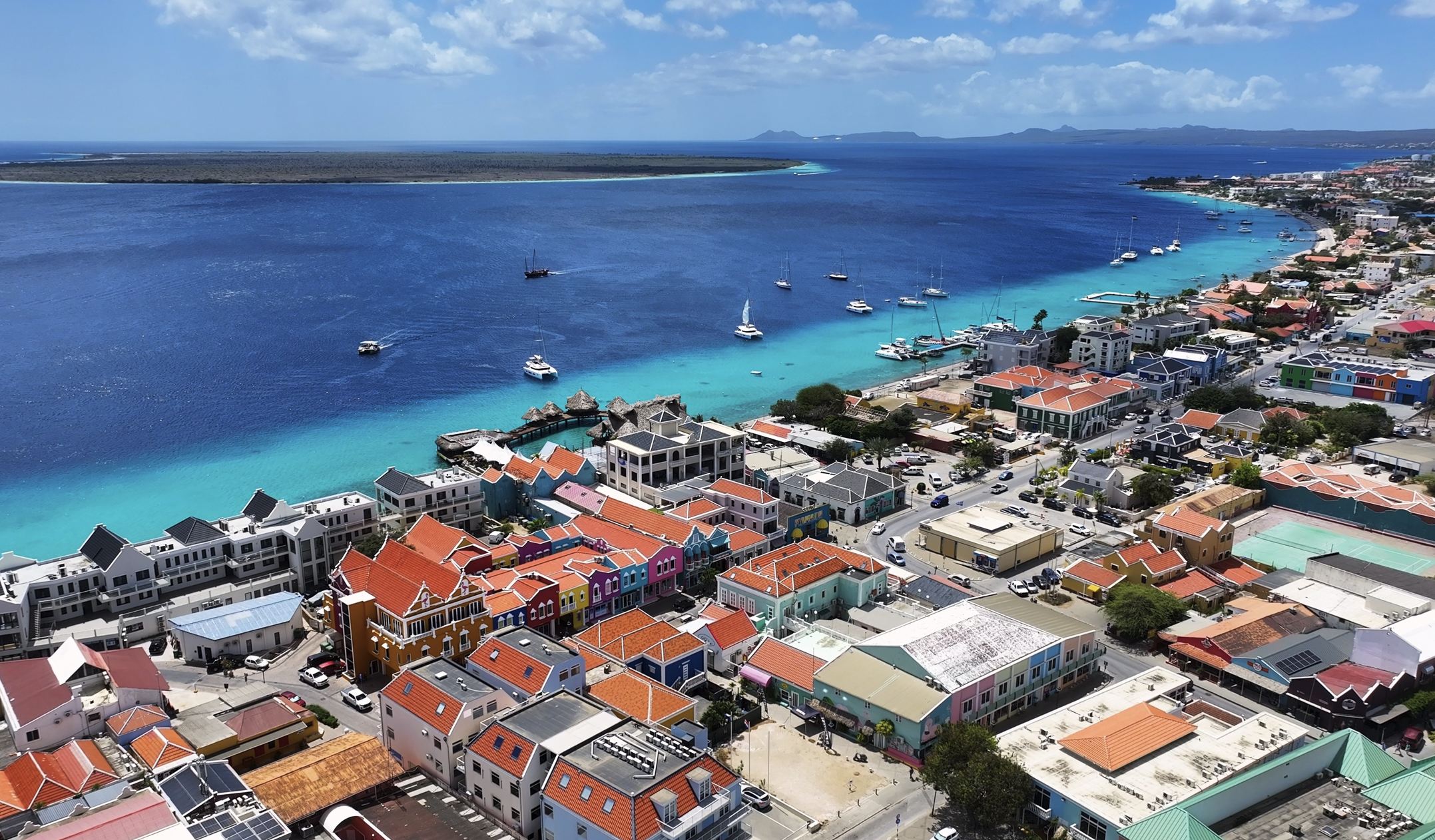
The Eco-Sanctuary
Bonaire is a diver’s paradise with 85 untouched dive sites. It maintains its Level 1 status by aggressively filtering its tourists through economics, actively deterring the high-volume, low-budget crowds that often bring petty crime.
I have never experienced better off-shore snorkelling than in Bonaire. You could swim out 30 feet from shore, dive down about 20 feet, and you already are face to face with SO MUCH LIFE! The coral is gorgeous, the reef is super healthy, and the island does everything it can to make sure they protect it.
Even experienced divers must do an intro dive to prove they’ve mastered their buoyancy so that they don’t damage the reef on a dive. It may seem like a bit much to avid divers, but it keeps Bonaire’s reefs in arguably the best condition in the Caribbean.
If you stay at Harbour Village like I did, you can even do some night snorkelling next to the restaurant since they have good lights set up.
The Financial Filter:
Bonaire abolished its old hotel taxes and replaced them with a heavy, upfront $75 Visitor Entry Tax per adult. You need to pay this online before you arrive to get your entry QR code. The good news? That QR code is valid for 30 days, so you can island-hop to Curaçao or Aruba and return without paying twice.
Road Hazards:
Street signs here are basically a suggestion, often hidden by foliage or missing entirely. Drive carefully, especially at night, because the island has a protected population of wild donkeys that love to wander onto the dark roads.
4. Anguilla
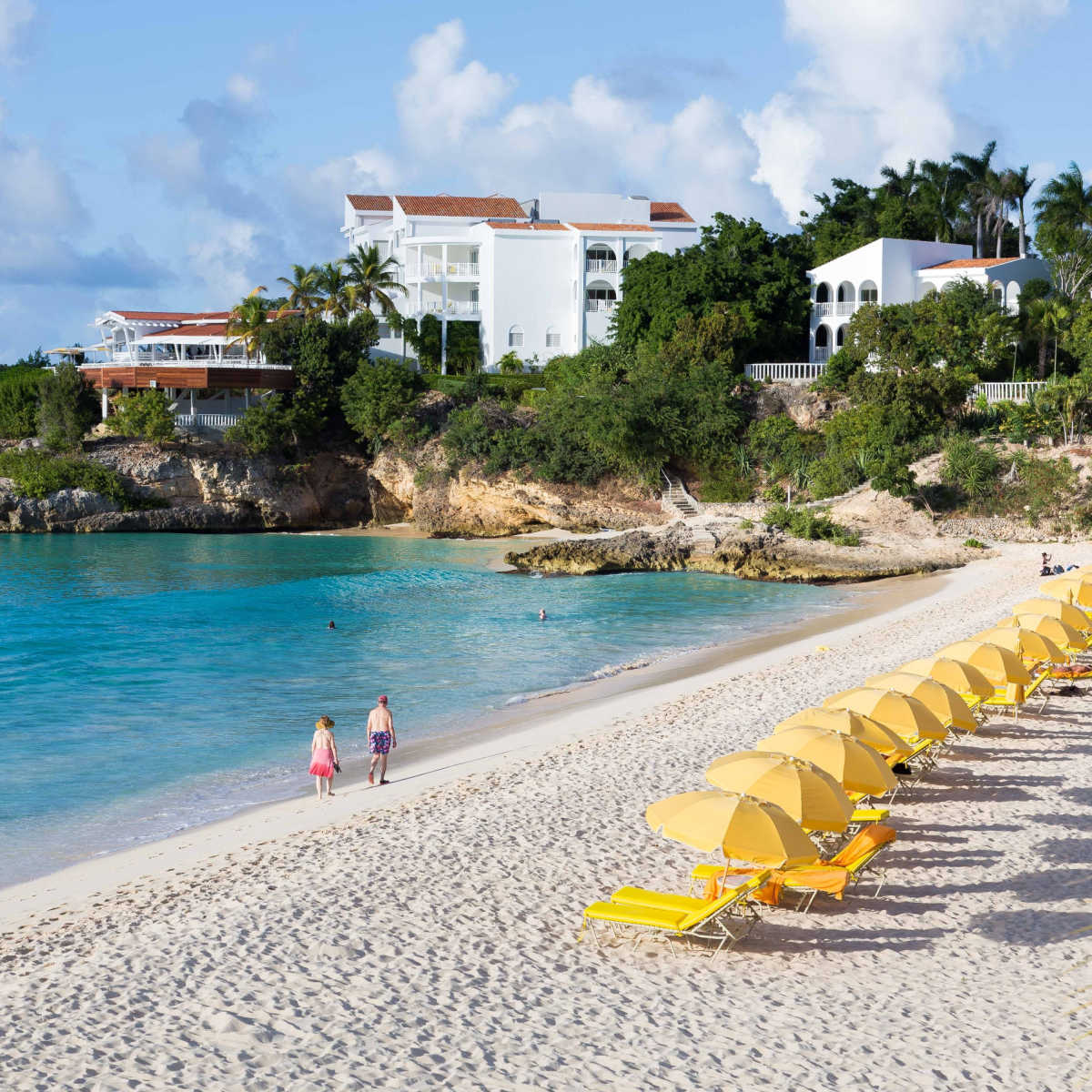
The Exclusive Hideaway
Anguilla achieves its safety by explicitly rejecting mass tourism. There are no deep-water piers for mega cruise ships here, meaning the island never gets flooded with 10,000 day-trippers. It is an ultra-luxury, autonomous British Overseas Territory where crime against tourists is exceedingly rare.
The Flight Hack:
Historically, getting here was a headache involving flights to St. Maarten and bumpy public ferry crossings. Now, you can fly American Airlines directly from Miami straight into Anguilla in about 3 hours and 15 minutes. It completely bypasses the security vulnerabilities of transiting through a second country.
Mobility Warning:
The island is fundamentally ill-equipped for anyone with severe mobility impairments. Sidewalks are irregular or nonexistent, and you won’t find ADA-compliant ramps.
Spring 2026 Intel:
The Moonsplash Music Festival runs from March 5-8, 2026, at the Dune Preserve beach bar. It is one of the premier reggae festivals in the hemisphere. Security is heavily ramped up for the influx of high-net-worth attendees, making it a highly policed, incredibly festive week.
5. British Virgin Islands (BVI)

The Nautical Playground
The BVI comprises over 50 islands and cays. It’s a Level 1 destination, but the risk profile is unique because your primary mode of transport is a boat, not a car.
The Safety Net:
If you have an emergency out on the water, a standard ambulance is useless. You will rely entirely on VISAR (Virgin Islands Search and Rescue). They are a highly trained volunteer force reachable via Marine Channel 16 or by dialing 767. They are the backbone of BVI’s trauma response. On land, the roads on islands like Tortola are aggressively steep, lack guardrails, and get slick in the spring rain. Rent a 4WD vehicle and check the brakes yourself.
Spring 2026 Intel:
The territory just rolled out a mandatory digital ED card that you must complete 72 hours out. You’ll need this to clear customs smoothly, especially if you are arriving for the massive BVI Spring Regatta (March 23-29, 2026). The Regatta Village at Nanny Cay will be the epicenter of the Caribbean sailing world that week.
The Crucial Medical Reality
A Level 1 rating means you are safe from crime and terror, but it does not mean the hospitals are up to stateside standards. U.S. Medicare and Medicaid have absolutely no validity overseas.
If you are diving in Aruba or the BVI and get the bends, neither island has an operational hyperbaric decompression chamber. You will need an immediate, low-altitude aerial evacuation to Puerto Rico or Curaçao. A dedicated medical air-evacuation flight back to the mainland will cost you between $15,000 and $25,000 out-of-pocket if you are uninsured.
Do not travel to the Caribbean without supplemental travel insurance that explicitly covers high-cap medical evacuation. It is the cheapest safety net you can buy.
The Crucial Medical Reality
Have you been to any of these destinations recently? Use our safety index below to check real-time sentiment and to let other travelers know what they should expect too. Just type the destination you’re interested and vote, simple as that.
ANALYZING LIVE SIGNALS…
CONNECTING TO DATABASE…
✅ VOTE RECORDED
⚠️ YOU ALREADY VOTED

The Travel Off Path Advantage: Your Travel Toolkit
Subscribe To Our Latest Posts
Enter your email address to subscribe to Travel Off Path’s latest breaking travel news, straight to your inbox.