
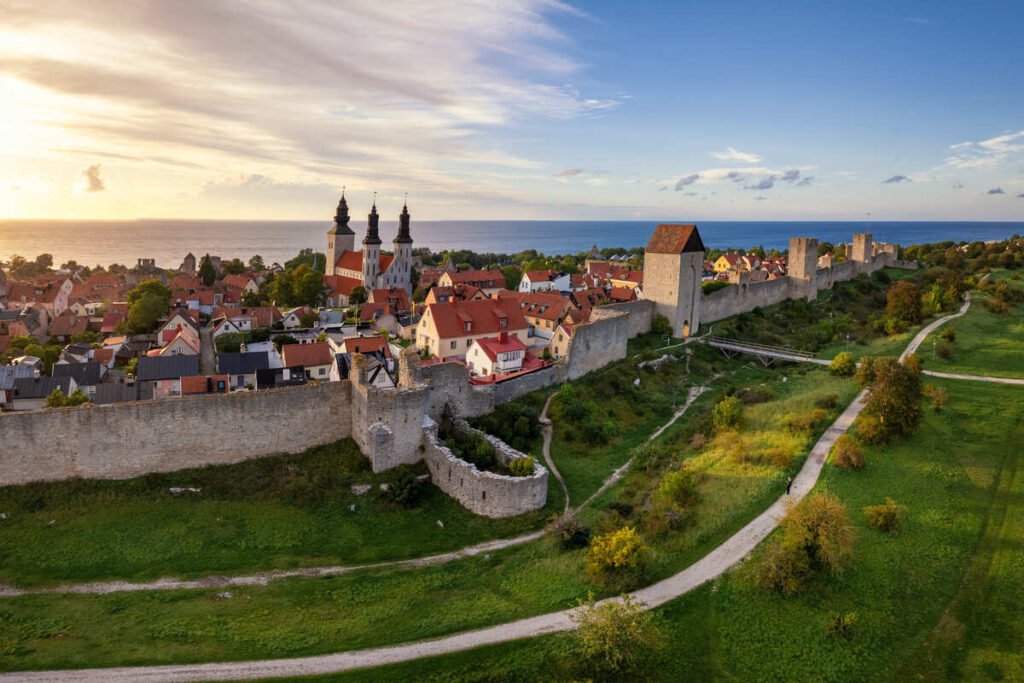
Dreaming of medieval towns frozen in time, storybook castles straight out of a Disney sketch, and that slow-paced way of life that feels downright impossible on this side of the pond?
Europe isn’t called the Old World for no reason, but sometimes, those dreamy vibes can take a somewhat… nightmarish turn.
Trust me, there’s nothing that will shatter that fairytale atmosphere more than elbowing your way through an indiscernible mass of bodies in any Roman piazzetta, or the exceedingly-long wait times to get into a museum in Paris (if there are tickets left, at that).
That’s not to say your European getaway has to feel like the real-life edition of Hunger Games.
These 4 completely unknown gems have virtually zero crowds, an unhurried rhythm of life, and most importantly, they’re your best shot at experiencing Europe’s fairytale side.
PLUS: We’ve built a quiz for you at the end of the article to find which one is perfect for your travel style, so stick around!
Gotland, Sweden
A Swedish island in the Baltic Sea that exists in a different microcosm altogether than the buzzing, cosmopolitan Stockholm, Gotland is known for its rugged nature, dramatic coastline interpersed with unruffled beaches, and understated medieval heritage:
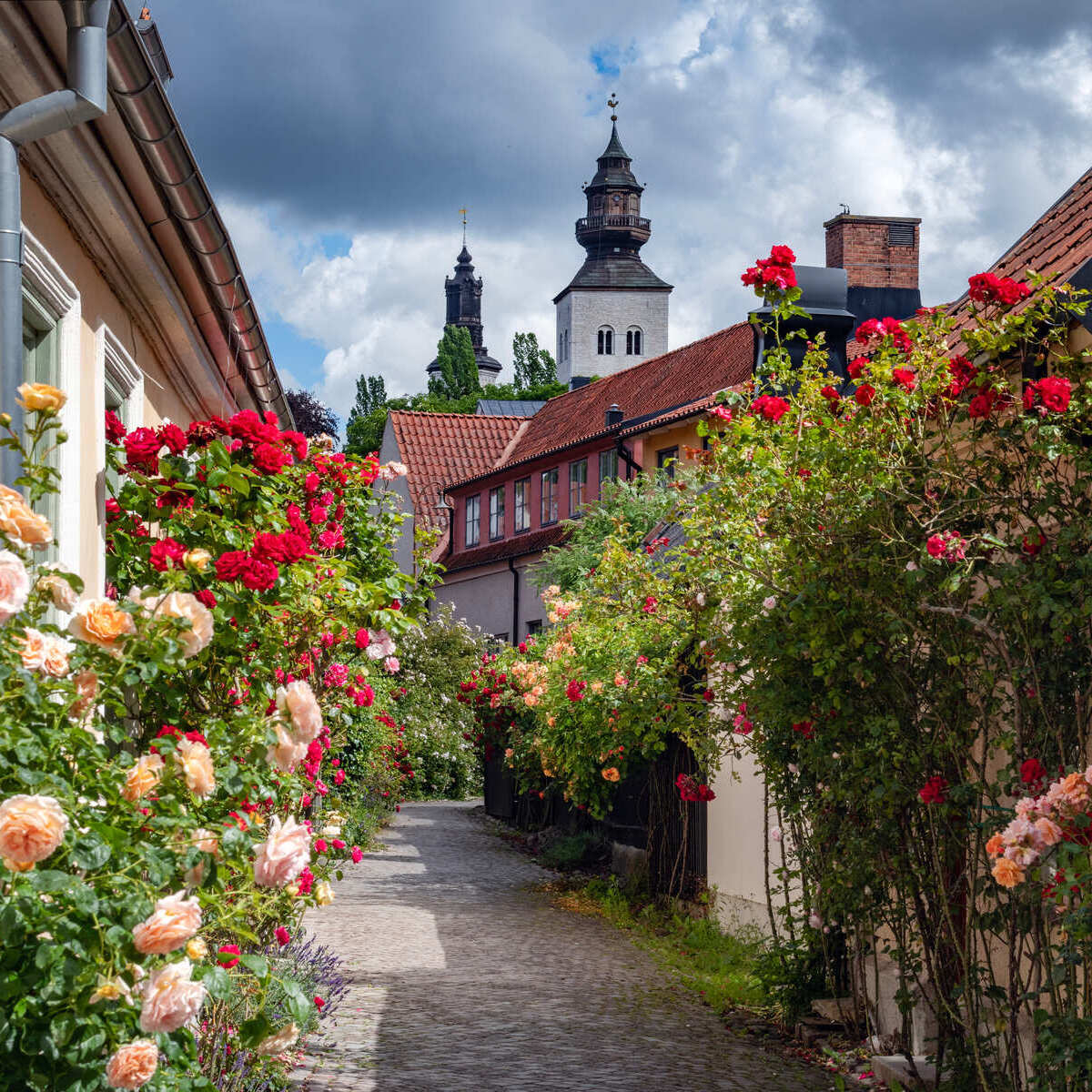
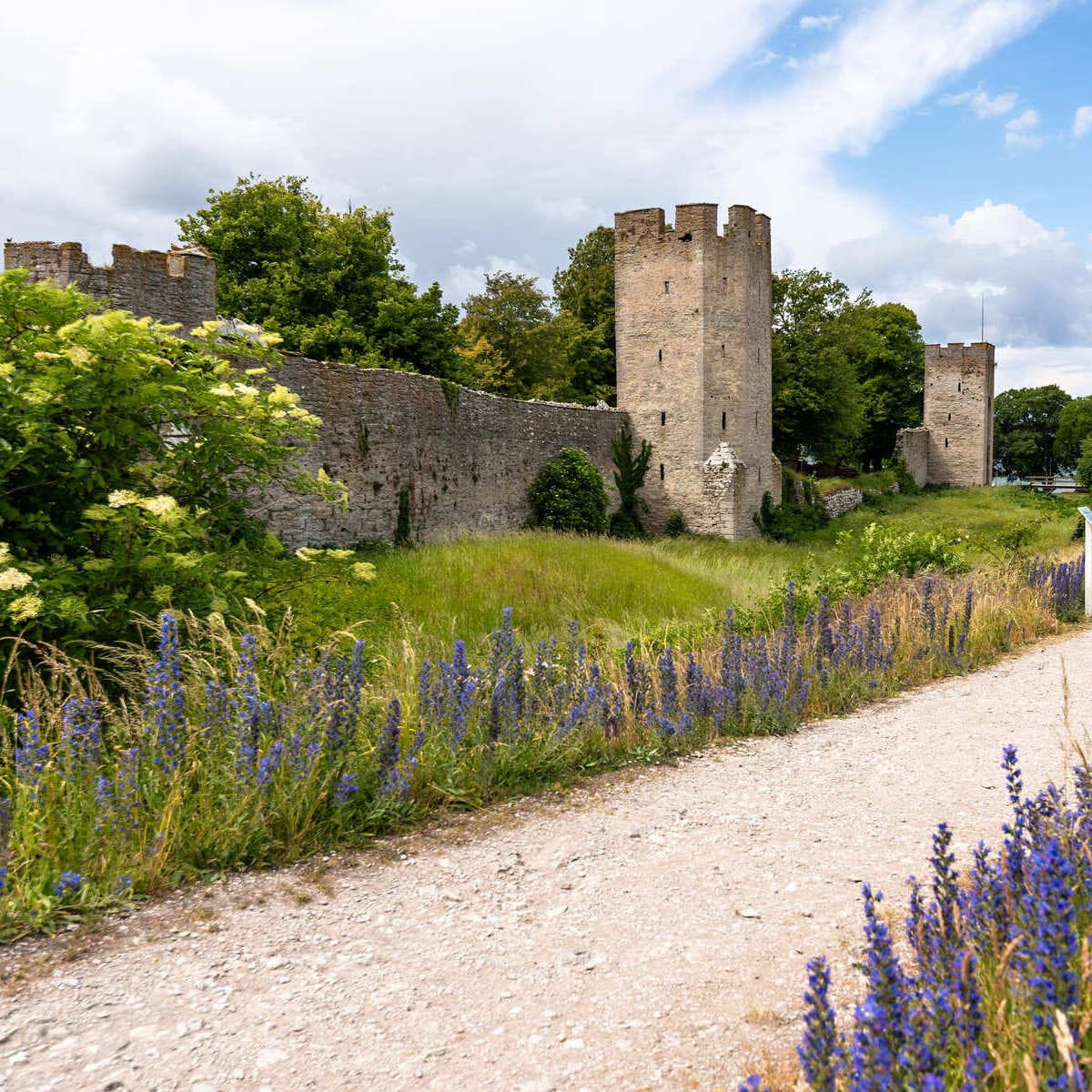
A UNESCO World Heritage Site, Visby is the Gotlander capital and cultural heart, best known for its imposing defensive walls—some of the best-preserved ones in Northern Europe, at that—charming cobbled streets, and 12th-century cathedral.
Over in Lummelunda, you’ll find Sweden’s longest limestone cave, with otherworldly stalactite-framed chambers and underground streams, and if it’s those deserted sandy beaches you’re after, Tofta is a solid pick.
Just bear in mind, this ain’t the Mediterranean: yes, Sweden might throw you the occasional actually-hot summer day, but as for the water? This is still the Baltic Sea. Jump right in without testing the waters first, and it’ll slap your soul right out of your body.
Osijek, Croatia

The crown jewel of Slavonia, a culturally distinct region of Croatia that feels like a whole world apart from the heavily Italianate, Mediterranean Dalmatia, Osijek is one of the country’s most under-the-radar, yetbeautiful cities.
It looks like most Dubrovnik-spellbound tourists aren’t keen on veering off the main established tourist route and exploring eastern Croatia, after all. No stone-built, Dalmatian houses, winding cobbled streets, or long coastal promenades: Osijek has a different kind of beauty.

Primarily Central European in character, it is home to a stunning Neo-Gothic cathedral, built in red brick with a prominent central tower, pedestrian-friendly lanes flanked by ornate Austro-Hungarian buildings, and a monumental Baroque citadel.
Locally known as Tvrđa, it’s practically a town within a town, with cobble-paved streets, historic buildings, a museum, and cozy cafés serving hot, just-baked spinach-and-cheese burek, and the dark, rich, espresso-style kava. A Croatian immaterial heritage.
Udine, Italy
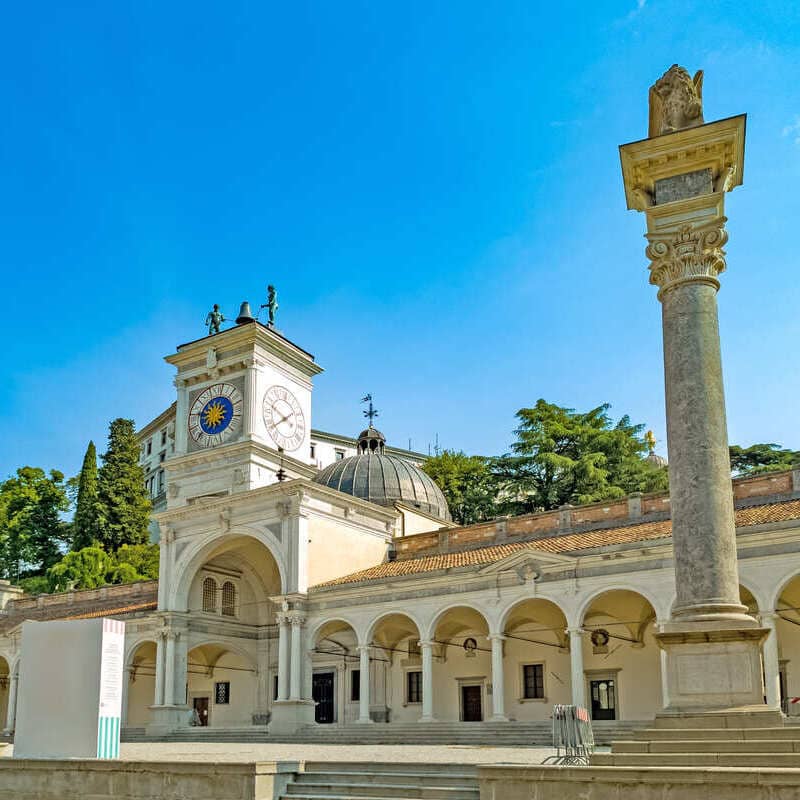
A short 2-hour train ride from Venice, Udine revolves around a landmark Piazza della Libertà—Italy’s most beautiful in my book—featuring arcaded buildings, an ornamented column topped with the Venetian winged lion, and a quietly iconic Loggia del Lionello:
You won’t find it on most Italian travel brochures, yet it’s a 15th-century Gothic Town Hall distinguished by its striking pink-and-white stone front and a crenellated roof that’s still largely intact. One of the most memorable you’ll see in Italy.
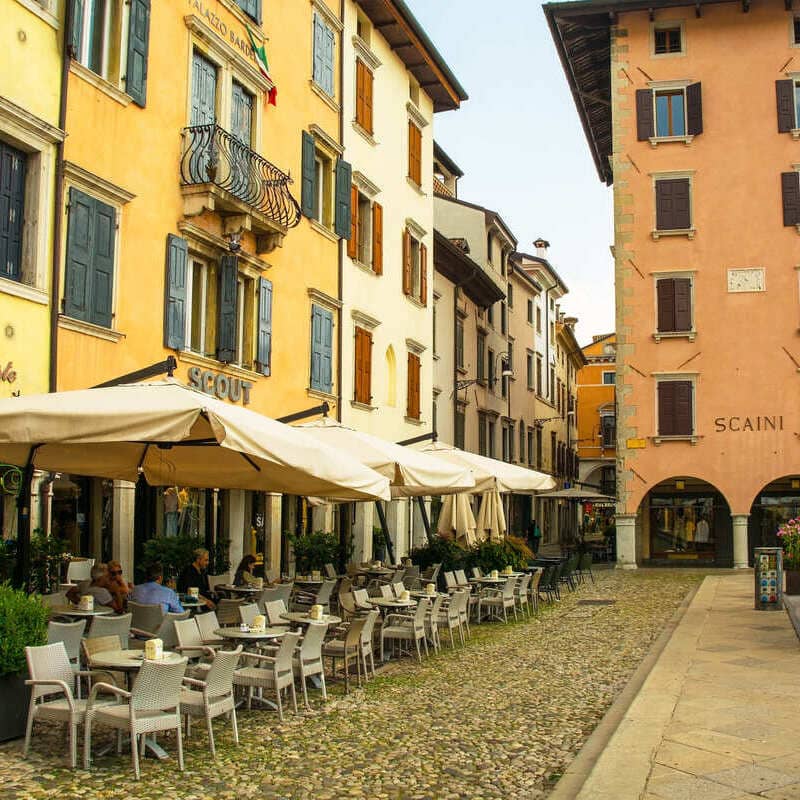
Other must-sees include Udine Castle, a hilltop fortress boasting panoramic city views, and the unassuming Cattedrale di Santa Maria Maggiore: it’s not exactly the most impressive seen from the outside, with its bare façade, but it houses masterful frescoes.
The Historic Center itself is an absolute joy to wander, with its many trattorie, dishing out pumpkin-filled tortelli and other Friulian delicacies, piazzette bordered by slender, pastel-colored buildings, and an unrivaled lived-in feel. You know, English isn’t exactly widely spoken or heard up here.
Saaremaa, Estonia
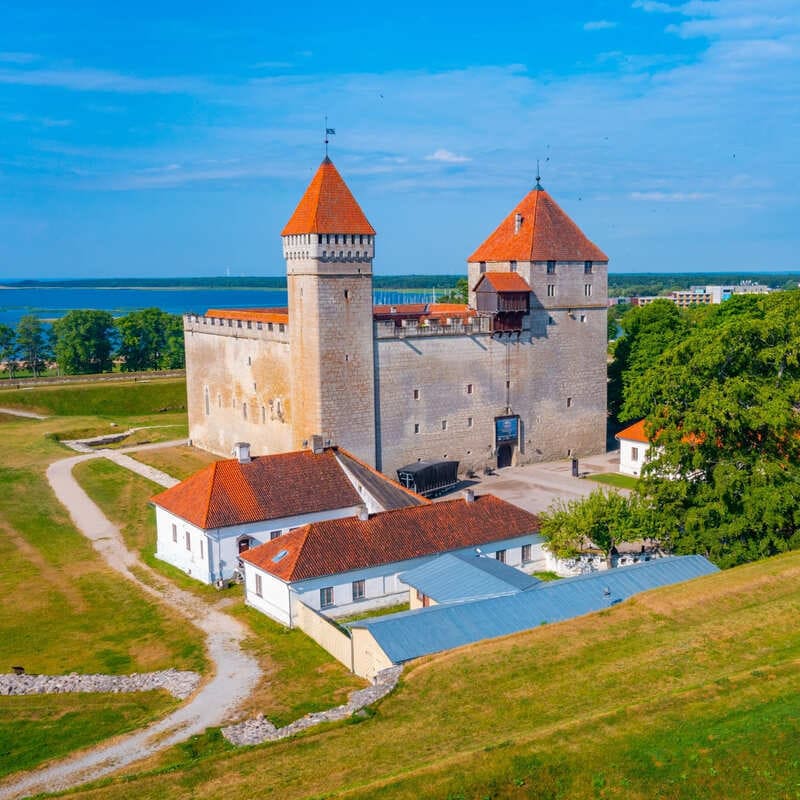
Tallinn, the postcard-ready capital of Estonia, is already pretty offbeat and uncrowded enough for most, but if you’re craving a real feel of the remote, you should definitely take the first ferry out to Saaremaa, the country’s largest island:
With beaches that run for endless miles without a single human in sight, and verdant fields sprinkled with castles and tight-knit communities, it’s been a prime R&R weekend getaway since the USSR years. Yep, as in the former Soviet Union, of which Estonia was a part.
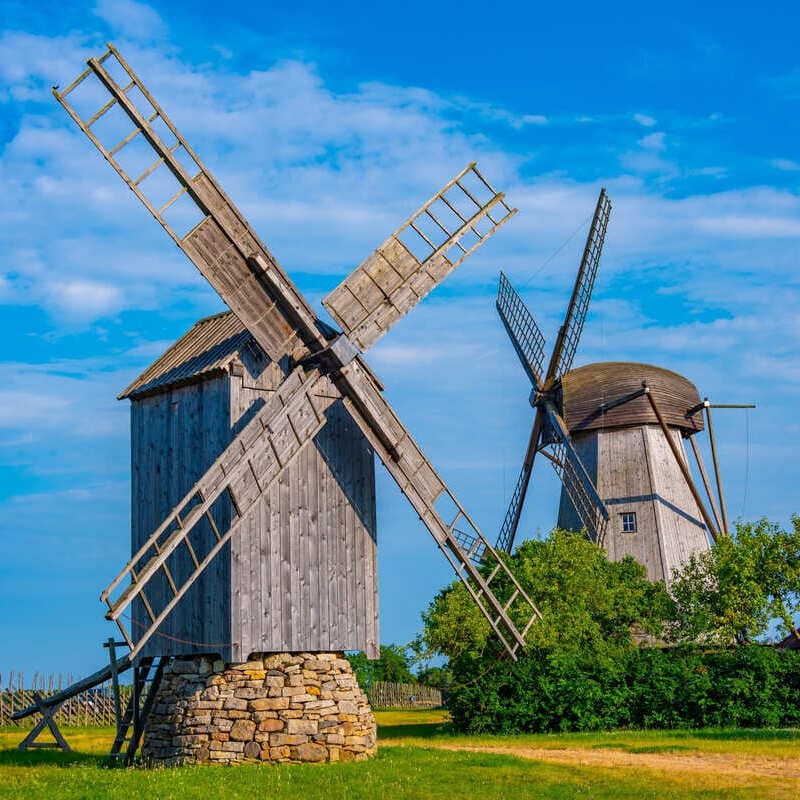
This is one of those niche destinations Estonians—and formerly Russians—used to come to unwind and recharge. The capital, Kuressaare, is dominated by a perfectly preserved medieval Episcopal Castle and its sparsely populated, windmill-dotted townscape.
Add the scattered patches of green and a scenic waterfront to top it off, and you’ll get why Estonians flock in here for that much-needed sense of tranquility. Kuressaare is gorgeous, alright, but you haven’t truly been to Saaremaa until you’ve headed out into nature:
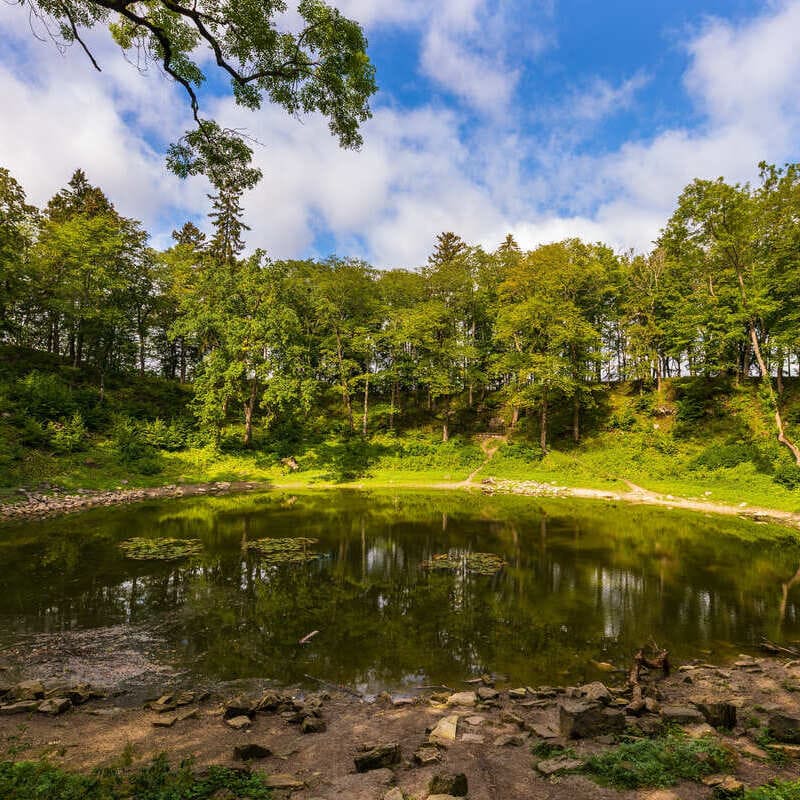
Kaali Meteorite Crater is a meteorite impact site that formed a small lake, nestled in a lush forest, and Saaremaa’s most-prized natural attraction.
I’d say that’s the island’s biggest “wow” moment—if it weren’t for Panga Cliff, of course—I’ve always had a soft spot for limestone cliffs that command epic coastal views at sunset.
I’m not necessarily an enthusiast for swimming in that ice-cold Baltic Sea myself, however, if we’re talking picnic on a long sandy beach, and dipping toes in shallow waters, Järve Beach is the closest to a Southern European beach getaway you’ll get this far Northeast.
Now take this quiz to find out which trip is perfect for your travel style!