

Ecuador is one of the most diverse and fascinating destinations in South America. You can stand on the equator near Quito, hike active volcanoes, and explore the unmatched biodiversity of the Galápagos Islands all in a single trip.
But right now, the situation on the mainland is intensely volatile. If you have a trip booked to Ecuador this spring, you need to understand exactly what is happening on the ground.
The country is currently locked in what the government has officially designated an “internal armed conflict.” To combat a severe spike in gang violence, drug trafficking, and organized crime, sweeping States of Emergency have been implemented, and as of early March 2026, the United States military is officially involved in joint operations on Ecuadorian soil.
Here is a breakdown of why this is happening, what the official government advisories are saying, and how you should navigate this if you have an upcoming flight.

The Ground Truth: Why The Crackdown?
Over the last few years, Ecuador has seen a massive surge in organized crime, heavily concentrated in its coastal provinces. Gangs are battling for control of different areas, which has led to targeted killings, armed robberies, and even the use of small explosives near businesses and government buildings.
In response, the Ecuadorian government has essentially declared war on these criminal groups.
To give the military and police the upper hand, a State of Emergency is currently active across multiple provinces, including Pichincha (where the capital city of Quito is located), Guayas (home to Guayaquil), Manabí, and several others.
- U.S. Southern Command (SOUTHCOM) Involvement: As of March 3, 2026, U.S. and Ecuadorian forces launched joint operations targeting these organizations.
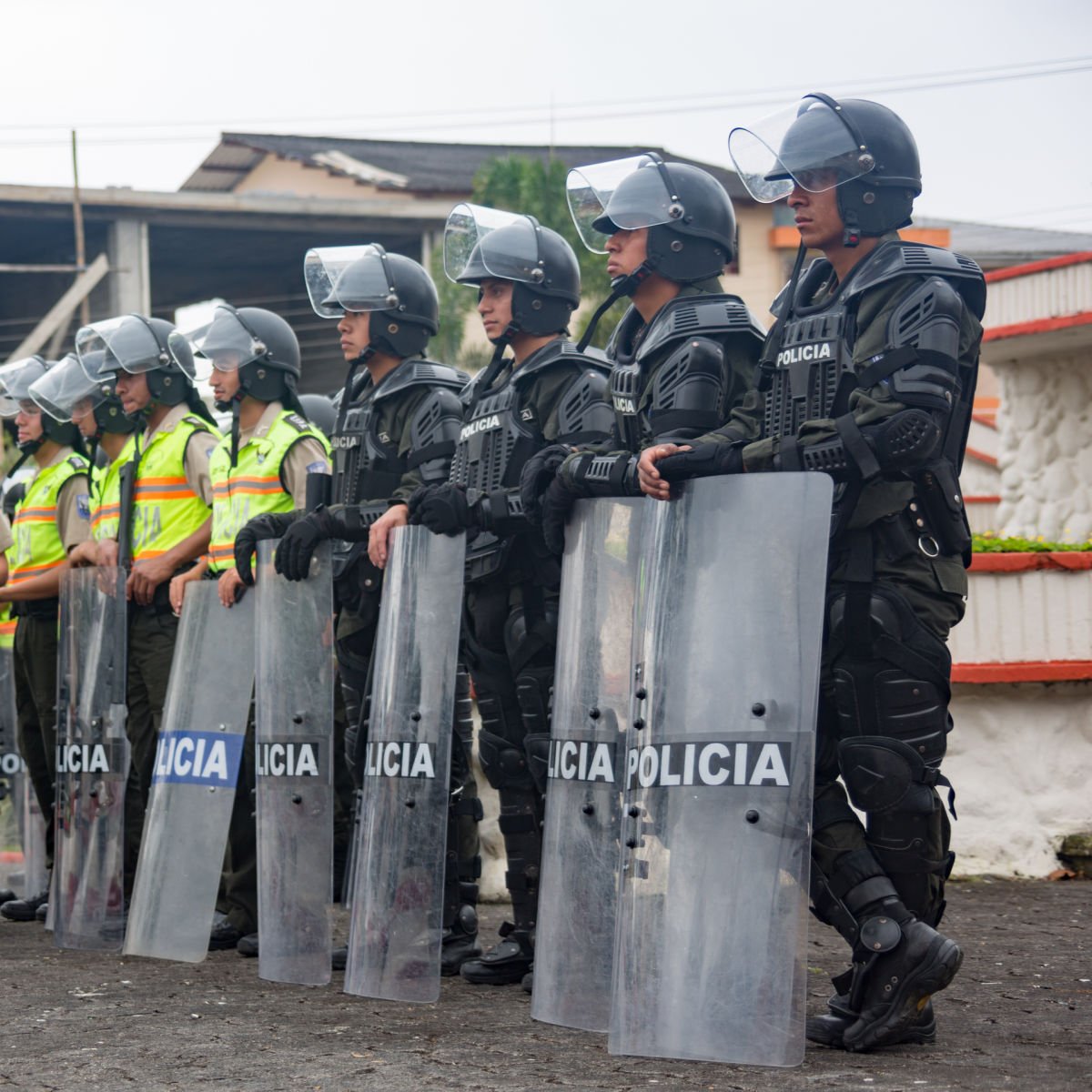
- What This Means for Travelers: While U.S. personnel are reportedly on the ground to “advise and assist” rather than participate in direct combat, the militarization of the country has increased exponentially. Joint initiatives include enhanced operational coordination and information sharing directly at airports and ports. Travelers should expect heavy, heavily armed military presences and potential delays at major transit hubs as these operations unfold.
The Curfews (March 15 – 30, 2026)
To further restrict the movement of these gangs, the government has implemented a strict nighttime curfew.
From March 15 to March 30, 2026, a mandatory curfew will be enforced between 11:00 PM and 5:00 AM in the following provinces:
- Guayas (This includes the major international airport hub of Guayaquil)
- Los Ríos
- Santo Domingo de los Tsáchilas
- El Oro
If you have a late-night flight arriving in Guayaquil during this window, you must coordinate with your hotel for verified, secure transportation. According to the State Department, “Travelers with a valid boarding pass going to or coming from the airport are exempt from the curfew.”
This is not the time to be wandering the streets or hailing a random cab off the curb at midnight, pre-arrange your transport.
Government Travel Advisories: Red Zones and Minefields
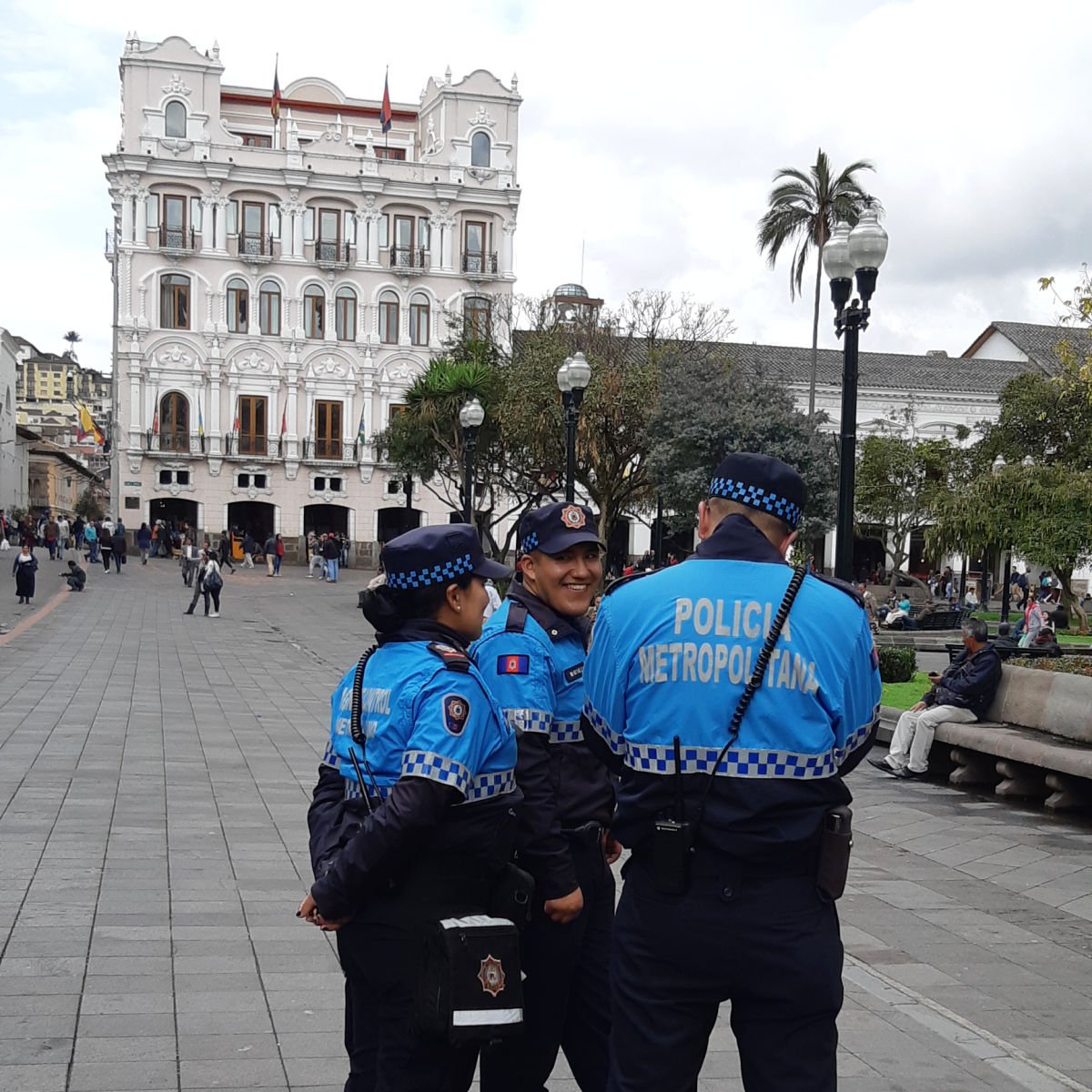
Both the U.S. State Department and the Canadian government are urging citizens to “Exercise a high degree of caution” when traveling anywhere in Ecuador right now. However, certain regions have been elevated to strict “Do Not Travel” status.
- The Border Zones: You should absolutely avoid the areas within 20 kilometers of the Colombian border (due to drug trafficking and kidnapping risks) and the Peruvian border. In fact, land borders with Colombia and Peru are largely closed to foreigners right now. Furthermore, specific southern cantons near Peru have active, unmarked minefields that are still being cleared.
- The Coastal Cities: Non-essential travel is highly discouraged in the province of Esmeraldas and large swaths of Guayaquil, where the gang violence is most concentrated.
The Galápagos Exception
There is one major bright spot in all of this data: The Galápagos Islands.
The government advisories specifically separate the Galápagos from the mainland warnings, advising travelers to just take “normal security precautions.” The islands remain deeply insulated from the violence plaguing the mainland coast. If your trip consists of landing at the airport and immediately transferring to a Galápagos eco-cruise, your risk profile drops significantly.

How To Use Our Traveler Safety Index
When an entire country gets slapped with a heavy travel advisory, the news makes it sound like the entire nation is a warzone. This is why utilizing our live Traveler Safety Index is critical right now.
Official embassy warnings paint with a broad brush. Our index aggregates real-time sentiment from verified tourists who are physically on the ground today.
The Strategy For Spring 2026
If you are heading to Ecuador this month, your travel habits have to shift.
- Carry Your ID: The military and police can and will stop you. Always have your physical passport (or a highly legible color copy) on you.
- No Nighttime Transit: Eliminate all intercity bus travel or long drives after dark. The risk of roadblocks and express kidnappings spikes the moment the sun goes down.
- The Direct Route: If you are going for the wildlife, bypass the mainland cities entirely. Book a flight that connects straight through to Baltra Island in the Galápagos and stay in the safe zone.
- Register for STEP: I cannot stress this enough—enroll in the Smart Traveler Enrollment Program (STEP) before you fly. With U.S. military operations active and local curfews changing rapidly, this free service puts your itinerary directly on the U.S. Embassy’s radar. If the security situation deteriorates or emergency protocols change while you are on the ground, they will know exactly where you are and how to reach you.
- Know The Right Contacts: If things go sideways or curfews change while you are on the ground, you need to know exactly who to call. Save these numbers in your phone right now: The U.S. Embassy in Quito can be reached at +593-2-398-5000. If you are down on the coast, the U.S. Consulate General in Guayaquil is at +593-4-371-7000. Both numbers have 24/7 after-hours emergency routing. If your cell plan isn’t working and you have to use a hotel’s Wi-Fi calling, you can also reach the U.S. State Department’s overseas emergency line at +1-202-501-4444.
- Never Miss An Update: Our Ecuador Travel Advisory page on our Traveler Dashboard is updated in real-time, making sure you always have the latest information you need.