
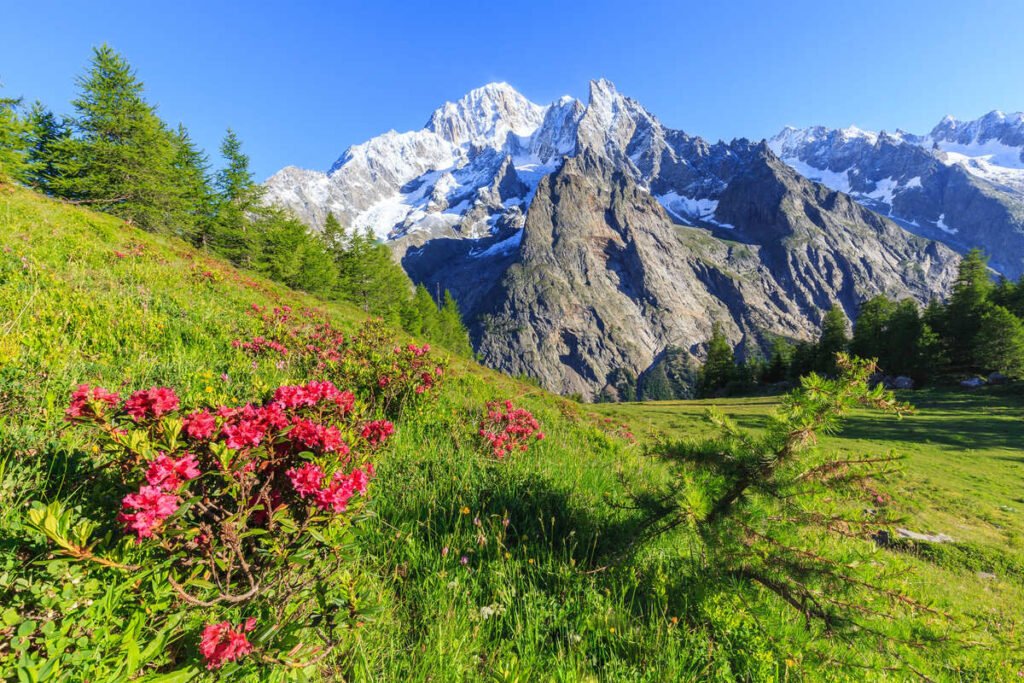
Italy is probably the number-one destination for Americans hopping across the pond.
Pastel buildings, scenic lungomare promenades stretching along turquoise seas, and incredible food… name any other European country that can beat it.
I’ll wait.
Anyway, if you think pasta and beaches, and, well, Amalfi are the only draws luring Americans over to the Italian Boot™, you’ve got another thing coming:
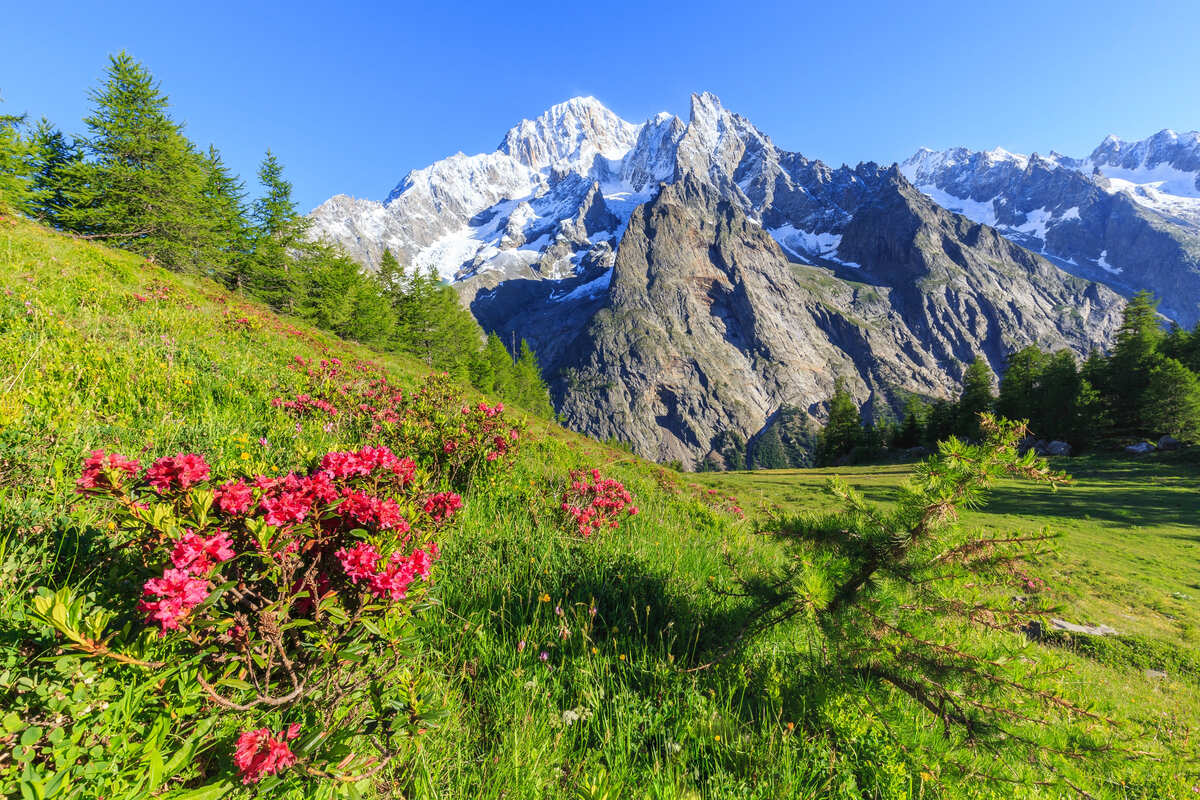
According to an analysis by property-management operator Halldis by Vita, which manages serviced apartments all over Italy, American overnight stays in the wider Mont Blanc area rose by more than 23% during the 2025–2026 winter.
If current booking trends are anything to go by, the area could be gearing up for yet another bumper season:
Better Than The Dolomites?
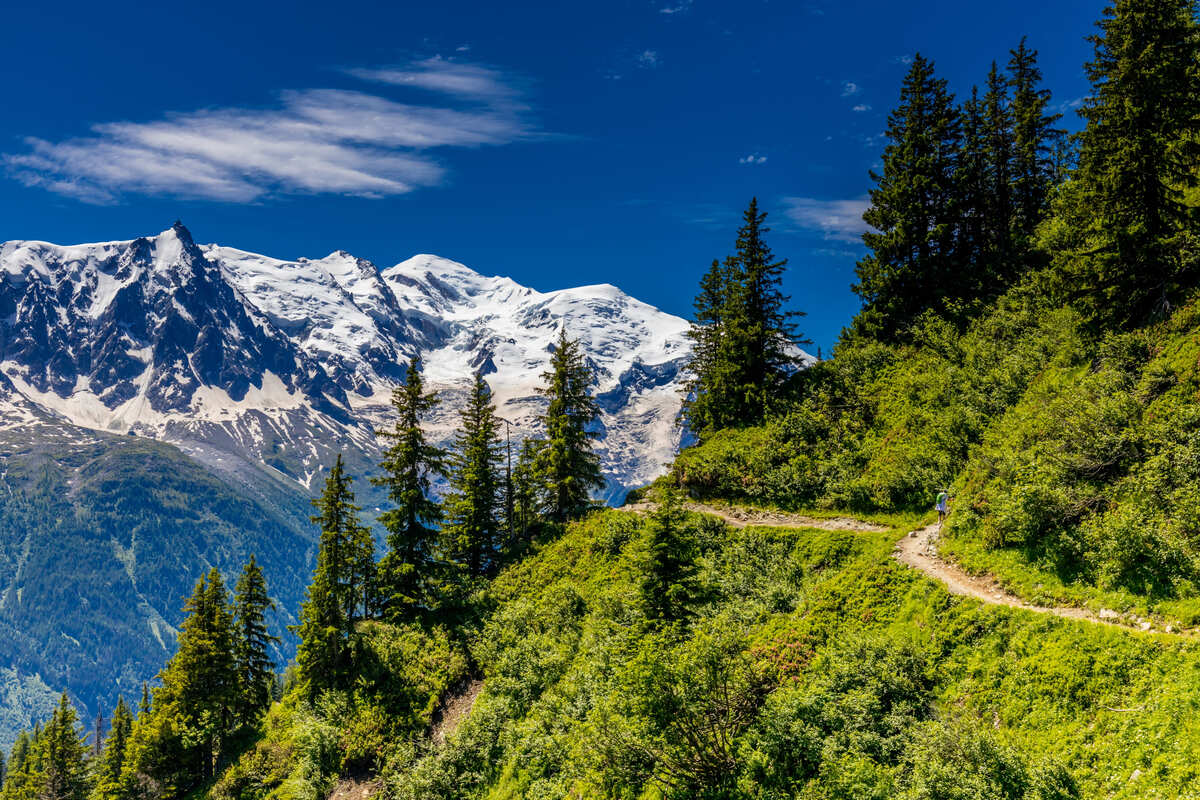
Courmayeur is a tiny town in northwestern Italy, where the country all but melts into France, lying at the foot of the Italian side of mighty Mont Blanc.
With a population of only around 2,500 permanent residents, you’re probably wondering why a sleepy backwater town in the far northwestern Alpine reaches of Italy is attracting such a wave of tourism, but as it turns out, it just happens to be one of Europe’s indisputably best destinations for skiing and hiking.
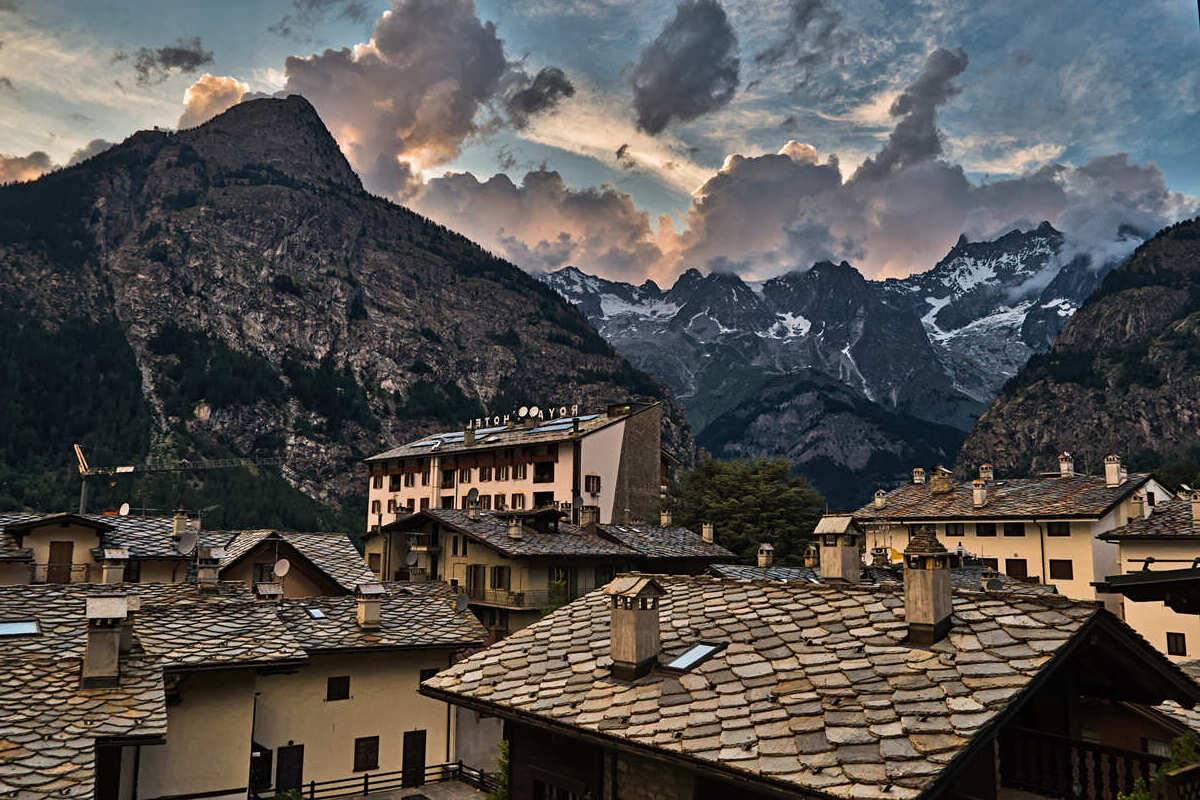
And let me tell you, if you catch Courmayeur and the wider Aosta Valley in the fall? Oof. You’re in for a proper treat.
This place is a literal autumnal dream, with rustic stone chalets surrounded by golden larch forests, easily accessible trails starting right from town and leading up to glacier-fed valleys and rolling Alpine meadows.
For budget-conscious travelers, it can also be noticeably cheaper to visit during the shoulder season than comparable destinations in the French or Swiss Alps—and sometimes even the Italian Dolomites, mind.
Check The New Entry Requirements For Europe If You’re American
It’s particularly good for a quiet two or three-night mountain escape in the fall, and you won’t get caught in a human traffic jam on some narrow via ferrata up in the tourist-packed Dolomites.
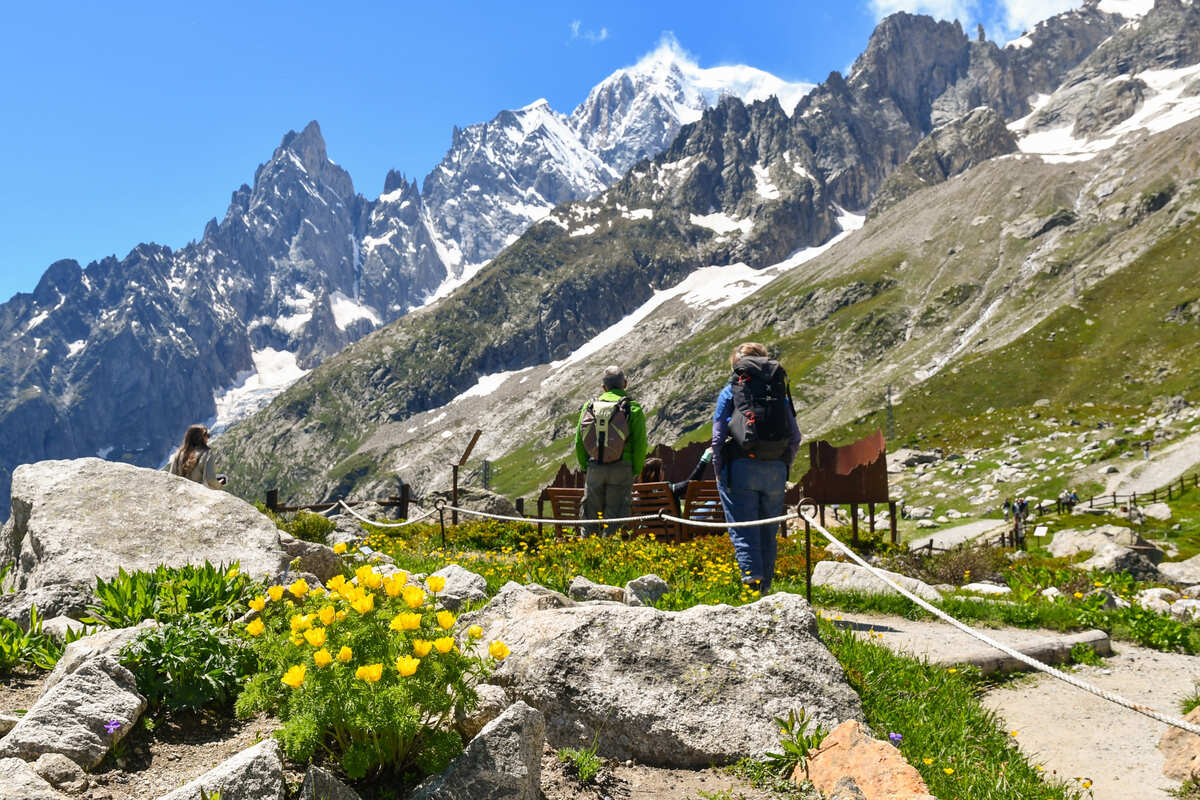
Before you start packing, make sure you’re up to date with Europe’s new entry and stay regulations.
The European Union has performed a massive overhaul of its border rules this year, including the full rollout of the Entry/Exit System. Under the new procedure, first-time arrivals from outside the bloc—including U.S. passport holders—have a facial image and fingerprints recorded.
This allows European authorities to log entries and departures and check whether travelers have exceeded their visa-free allowance of 90 days within any rolling 180-day period.
Since its launch, more than 44,000 travelers have been turned away at the border—but not merely because they forgot to check the regulations.
Refusals have covered everything from missing proof of accommodation or travel purpose to previous overstays, invalid or fraudulent documents, and security concerns.
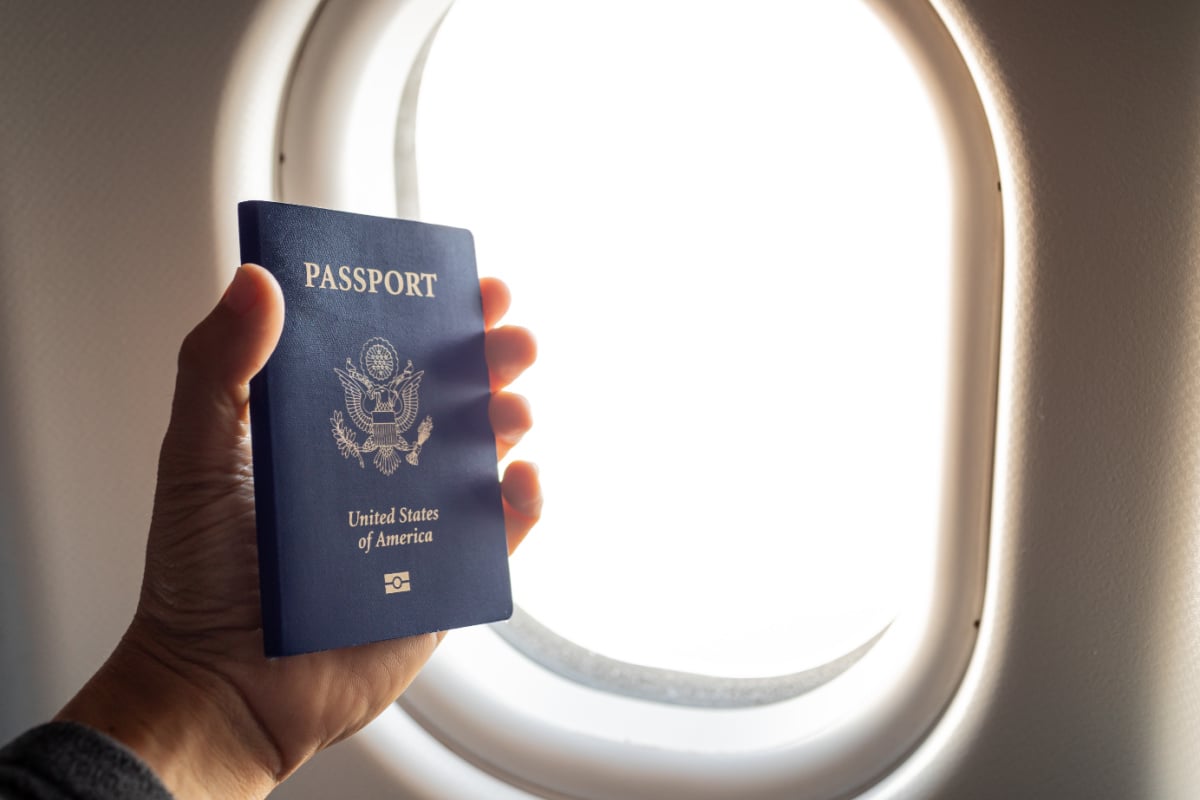
Use the Entry Requirement Checker to avoid any nasty surprises and verify Europe’s latest border switch-ups.
Take A Rotating Cable Car To The Top Of Europe
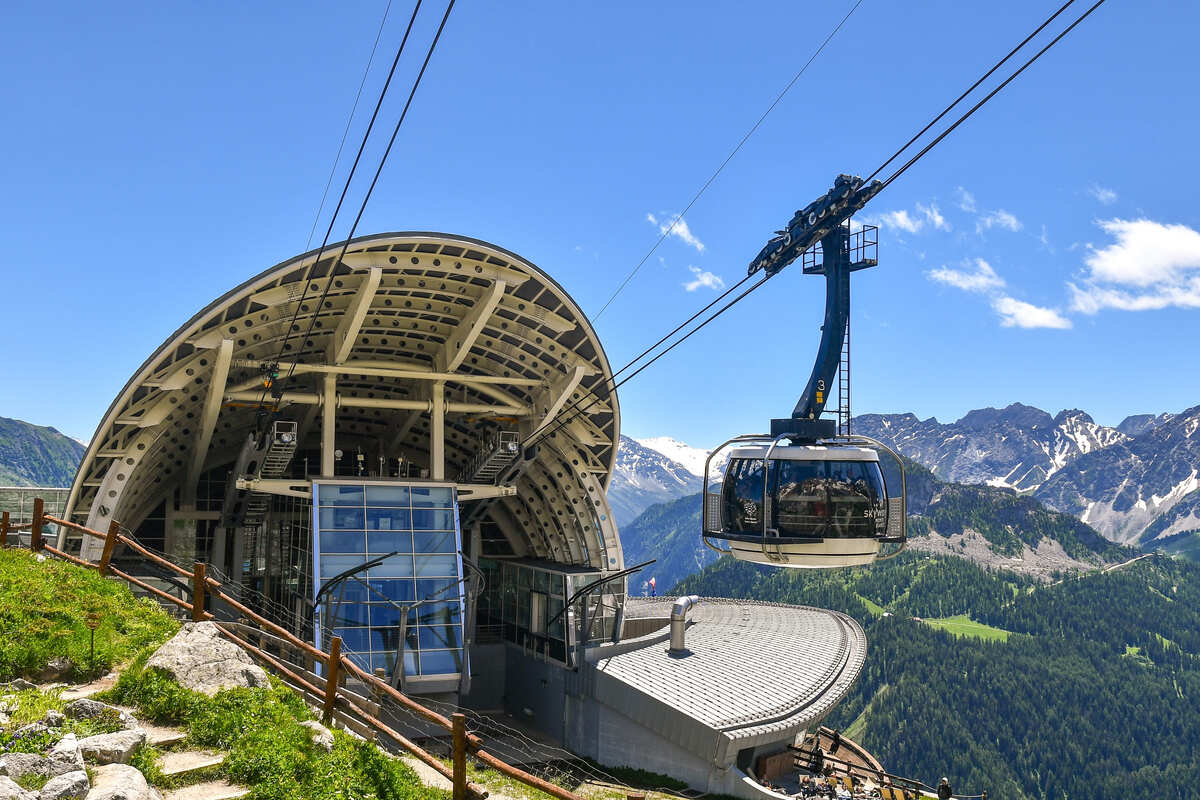
The main showstopper here is Skyway Monte Bianco, a mad-looking, rotating cable car that climbs 11,371 feet above sea level to reach Punta Helbronner, a panoramic terrace right in the heart of the Mont Blanc massif, overlooking glaciers and the French, Swiss, and Italian Alps.
The standard 2026 online return fare is €59, or around $69, though selected high-season dates can cost more. That’s roughly 40–50% cheaper than comparable full-price, high-altitude cable-car experiences in Switzerland, such as Glacier 3000 or Titlis.
If you’re flying to Europe for the vibrant fall colors and cozy chalet-cottage vibes, Val Ferret, a short drive north of town, is one of my personal favorite spots for leaf-peeping:
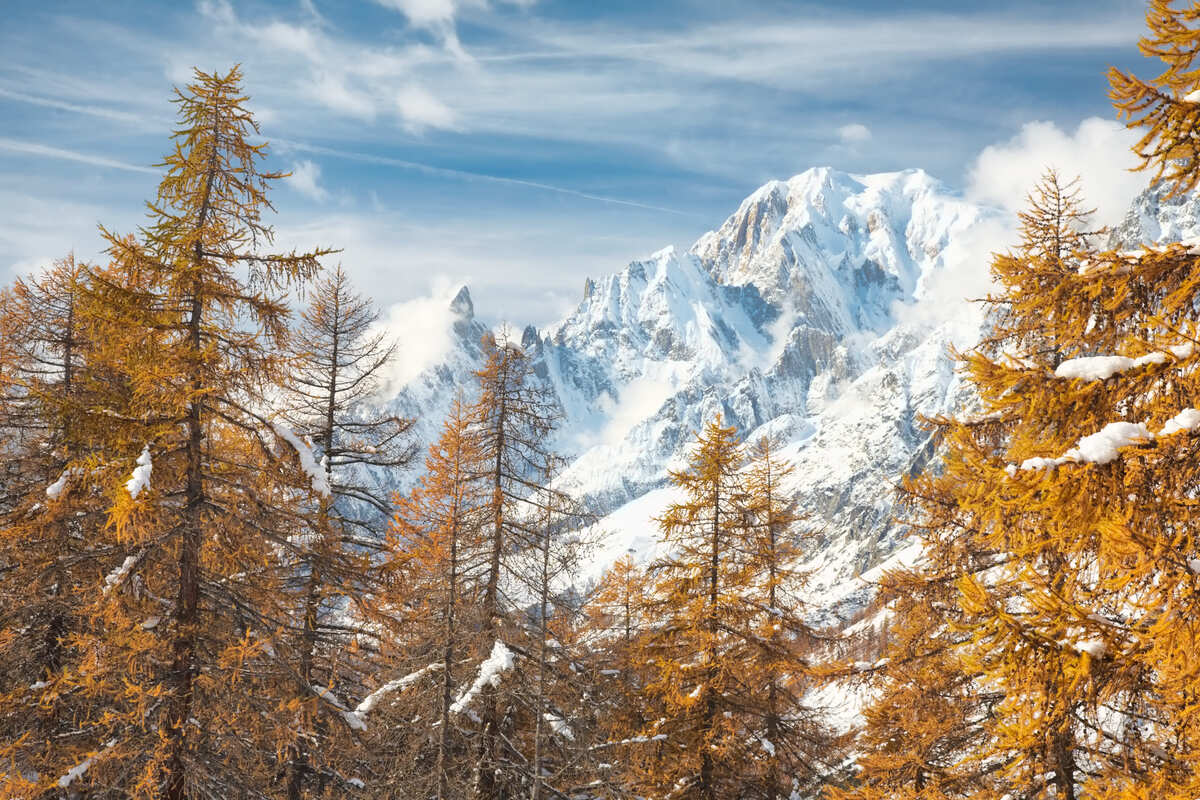
Think fiery autumn colors, with larch trees extending as far as the eye can see in different shades of amber, burnished gold, and copper; riverside walks, and the looming wall of the Grandes Jorasses, a jagged Alpine massif that might even rival Mont Blanc for sheer drama.
My major Courmayeur coup de cœur, however? That’d be Lake Miage.
Forget Braies: This Is The Italian Alpine Lake You Should Be Hitting Up
Everyone flocks to the Italian Alps to see Lago di Braies and Lago di Carezza, over in South Tyrol, in the heart of the Dolomites range, but if I’m being honest, the busloads of day-trippers and eye-watering parking fees hardly make Italy’s most famous Alpine lakes enjoyable.
Miage, on the other hand, has equally-otherworldly glacial waters, jagged peaks surrounding it, and far fewer visitors breathing down your neck.
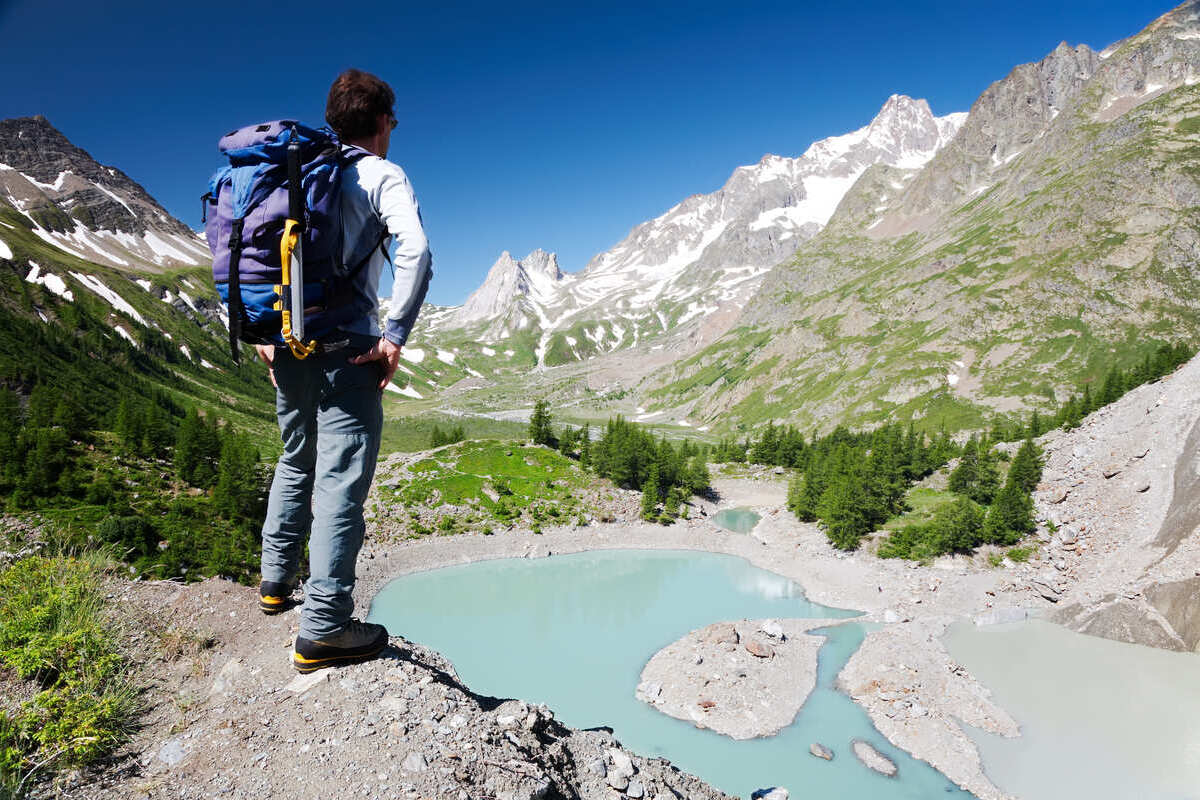
If you’re visiting right at the start of fall and you’ve got a soft spot for Alpine cuisine, swing by Cabane du Combal, a small mountain refuge just off the trail leading to the lake.
It serves some killer polenta and hearty soups, and it’s usually open from June 14 through September 15. Clock is ticking.
If you’re coming later in September or October for the proper fall foliage, bring a picnic instead.
Note From The Editor
Just one sec! If you enjoy reading great human-written articles, the best way to see a few more is to follow us on Google so we become one of your preferred websites. Thank you so much for reading. Now back to the story!
Come Earlier In The Fall Before The Closures
Speaking of closures, bear in mind that autumn here truly is shoulder season: most summer lifts closed on August 30 in 2026, many mountain refuges shut throughout September, and the current free valley-shuttle schedule runs only through September 27.
You’ll want to time your visit carefully so you don’t miss out on any sights.
Skyway Monte Bianco is the notable exception, continuing to operate through November 15 before closing from November 16 until its winter reopening in December.
Additionally, Courmayeur is an extremely safe destination.
How Safe Is It Up In The Italian Alps Right Now?
Italy as a whole is pretty safe, scoring 94 out of 100 on Travel Off Path’s Traveler Safety Index, which is based on reports from recent visitors, but if I were turning the dial up for Courmayeur alone, I’d crank it all the way to 99, because it is c h i i i i i l l.
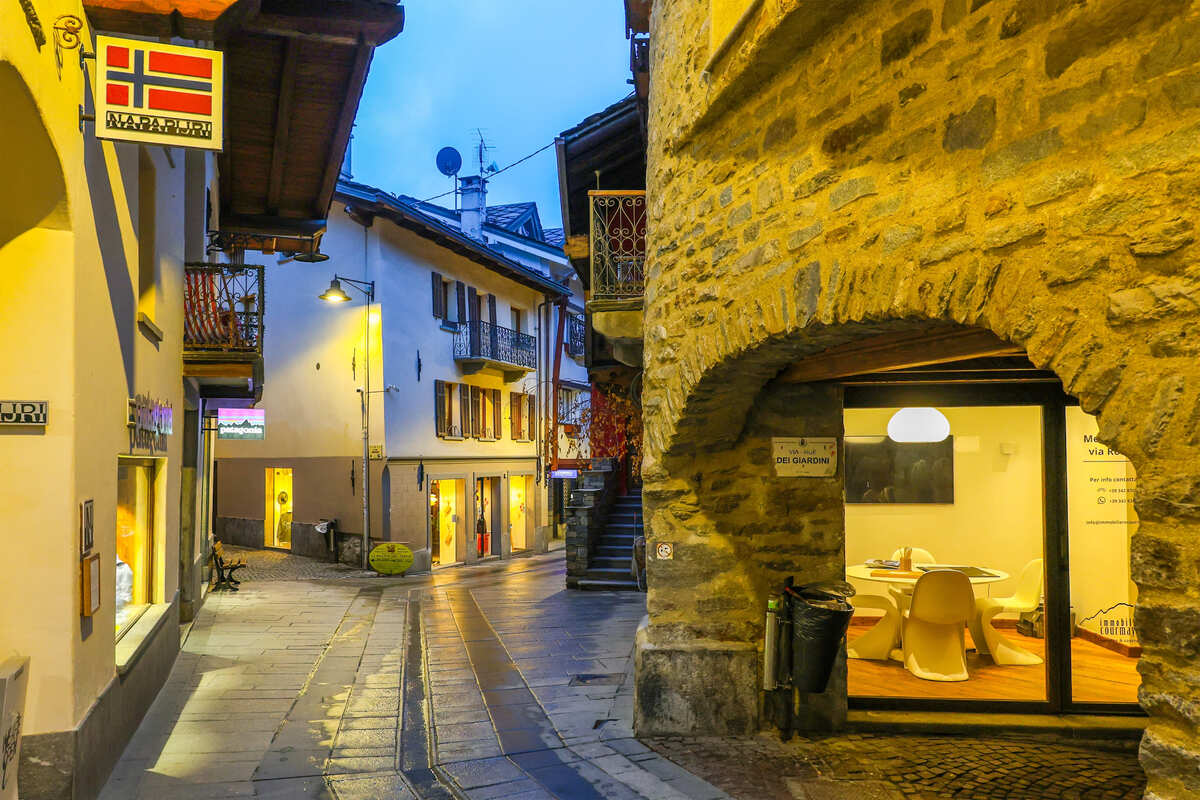
There is very little reason to worry about violent crime, and the town center is peaceful and well-maintained. Regional figures back up the feeling, too: Valle d’Aosta currently has Italy’s lowest perceived risk of crime, while earlier official measures also placed it at the bottom for robberies and pickpocketing.
Solo travelers, including women, should generally feel comfortable walking around after dark and exploring independently.
Still, you should exercise the usual common-sense precautions against petty theft, as that can never be completely ruled out.
To be fair, the main risk here comes from the mountains and fast-changing Alpine weather rather than crime.
Wait… There’s Roman Ruins Here Too??
Courmayeur may be best known for its larger-than-life nature, but it also doubles as a small, understated cultural escape.
The village itself has the cutest little stone-built Historic Center, cut through by the pedestrianized Via Roma, lined with pastel facades, boutiques, and craft shops.
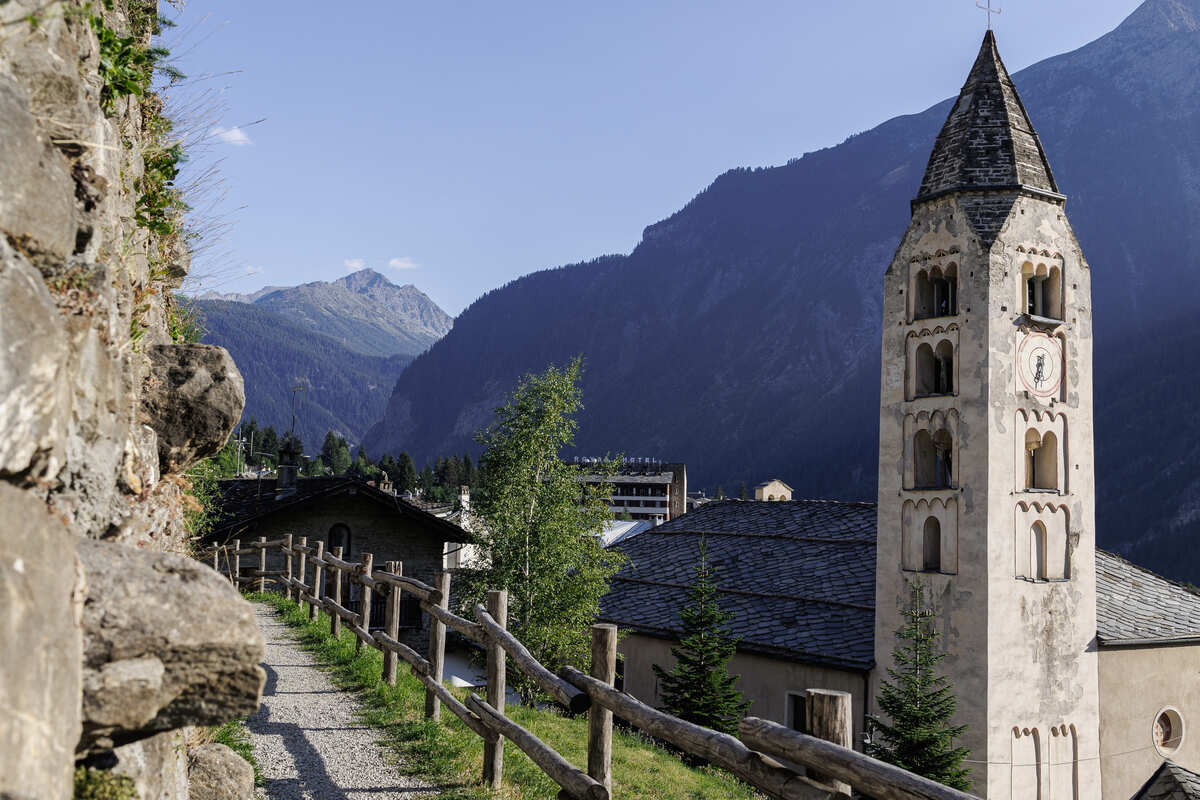
In the center of the village, you’ll find the 18th-century Church of Saints Pantaleon and Valentine, with possibly one of the most unusual belfries I’ve ever seen: an older medieval bell tower topped by a distinctive, tiara-shaped spire. Inside, there’s also an elaborate high altar built from black marble.
The cultural heavyweight of the area, however, is the compact Roman city of Aosta, roughly 22 miles down the valley.
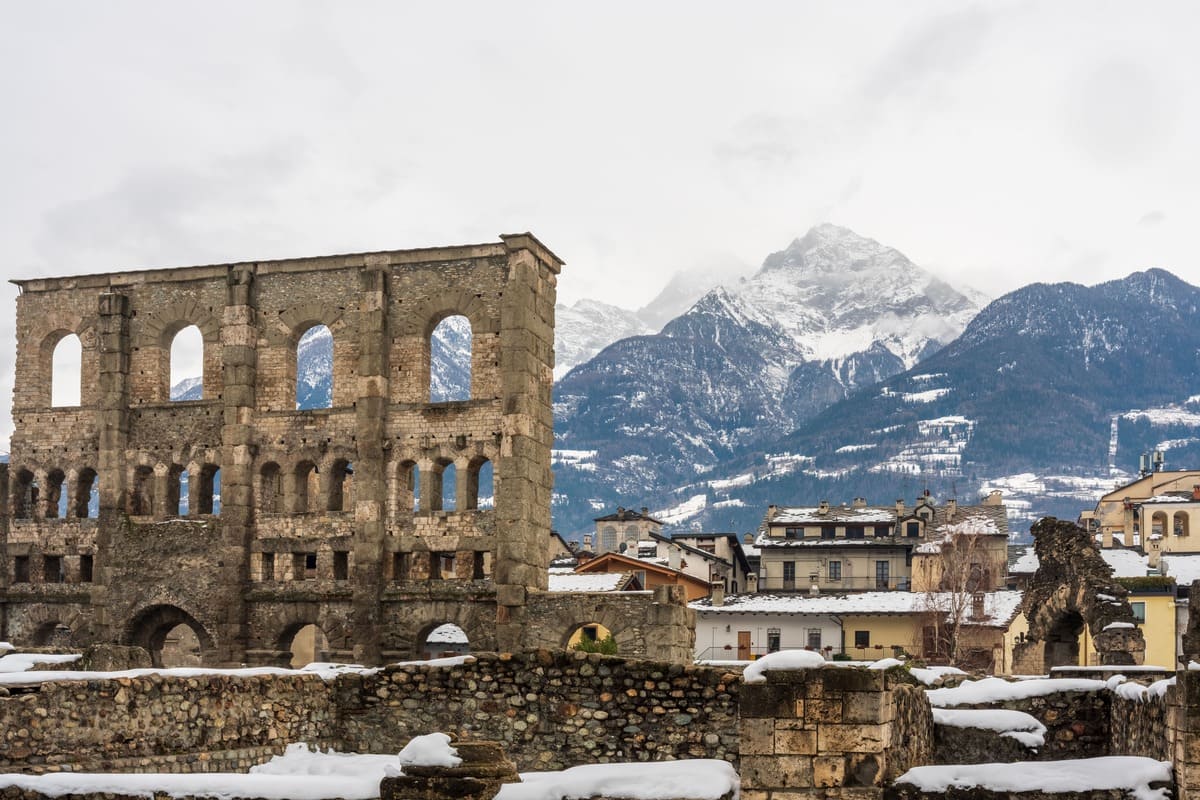
Home to a remarkably intact Roman Theatre, with a soaring 72-foot section of its original facade and surviving cavea backed by the snow-capped Alps, this is arguably one of the most atmospheric ancient ruins you could visit in Italy for its combination of history and larger-than-life nature alone.
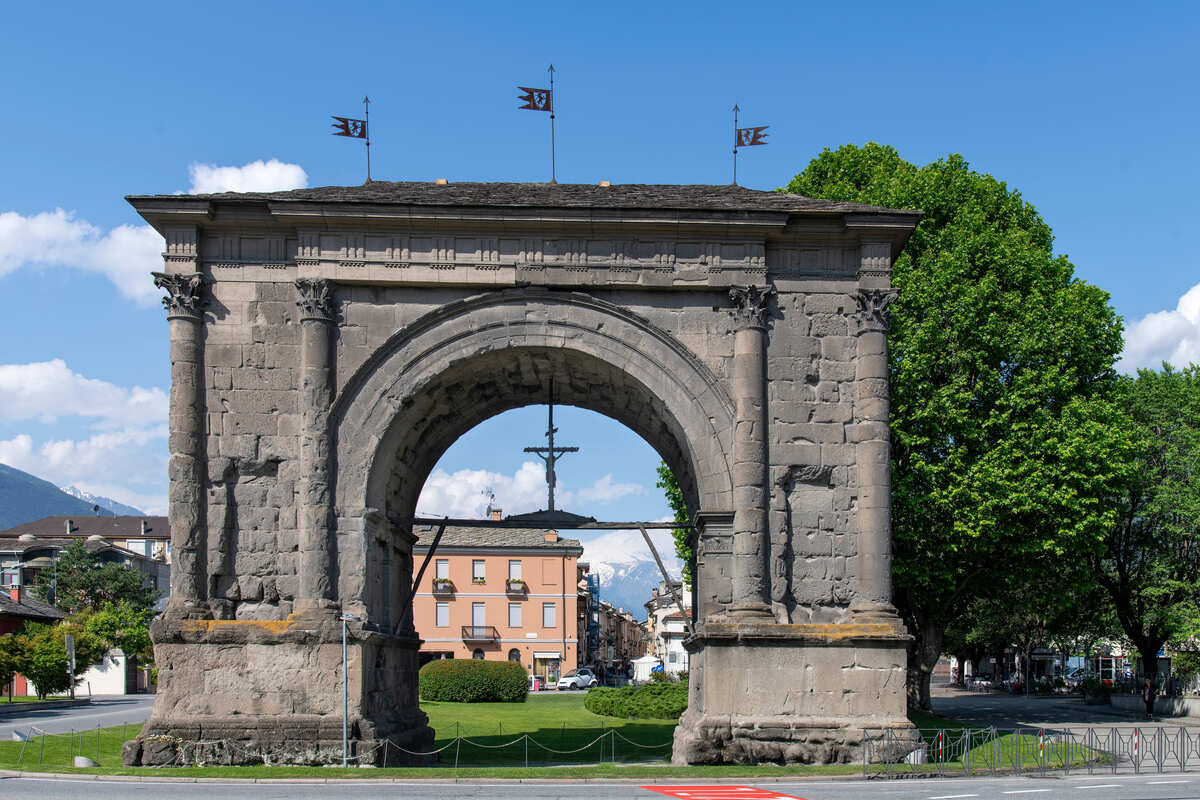
Aosta itself is packed with beautifully preserved Roman landmarks, from the Arch of Augustus, a triumphal monument erected in 25 BC, to the Praetorian Gate, a remarkably intact double gateway that once marked the city’s grand main entrance.
The whole place feels like a compact Roman outpost planted at the crossroads of the Alpine world.
How Affordable Is Courmayeur This Fall?
Wondering how affordable Courmayeur and the wider Aosta Valley are to visit this fall?
Here’s a rough overview:
Average Fall Prices In Courmayeur, Italy For 2026
Converted from euros using an exchange rate of roughly €1 to $1.16 and rounded.
Exact prices will naturally vary by date.
- Rustic chalet or mountain-lodge-style hotel: $163–256 per double room, per night
- Typical October hotel average: approximately $208 per night
- Simple guesthouse or B&B: $105–163 per night
- Three-course meal: $52–76 per person, excluding wine
- Traditional fondue or raclette: $29–35 per person
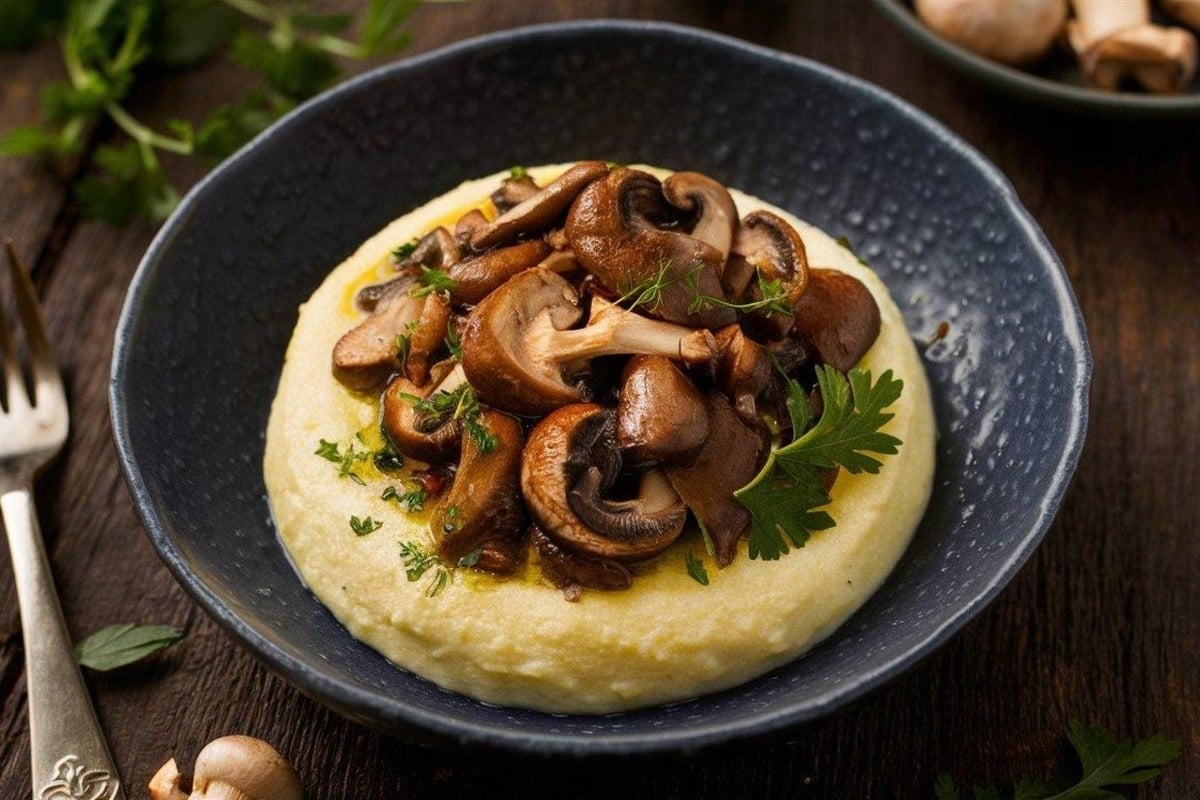
- Pasta, polenta, or another main dish: $21–33
- Coffee: $2–3
- Aperitivo or glass of wine: $8–14
- Skyway Monte Bianco return ticket: around $69 online
How To Get To Courmayeur From America
The easiest way to get to Courmayeur from the U.S. is by first flying into Milan, or connecting through a major European hub with onward service to Turin.
The Chocolate Capital of Italy—and a grand, Savoyard city that feels like some sort of Italian version of Paris—Turin is actually the closest major Italian city to Courmayeur.
FlixBus runs at least one direct coach daily from Turin to Courmayeur, with the journey taking around 2 hours and 25 minutes and fares starting from roughly $22.
Realistically, though, you’ll probably be landing at Milan Malpensa if you’re flying nonstop from the U.S.
Your best option here is either renting a car—the 123-mile drive takes around 2 hours and 15 minutes without stops, though traffic, toll booths, and the inevitable coffee break can push it closer to three—or boarding a direct FlixBus from one of the airport terminals.
The direct Malpensa–Courmayeur coach takes around three hours, with fares starting from approximately $25 each way.
If you’re spending some time in Milan first, direct FlixBus and BlaBlaCar Bus coaches leave from Lampugnano station, taking around 2 hours and 45 minutes to three hours and generally costing $21–31 each way.
Arriva also sells a Milan–Courmayeur itinerary from Lampugnano, usually starting from around $20, but it requires a change in Aosta, so make sure you plan enough buffer time between transfers when using the bus.
Enter your email address to subscribe to Travel Off Path’s latest travel news, straight to your inbox

Source link